
Based on my own travels in Northern Tanzania, April–May 2026.
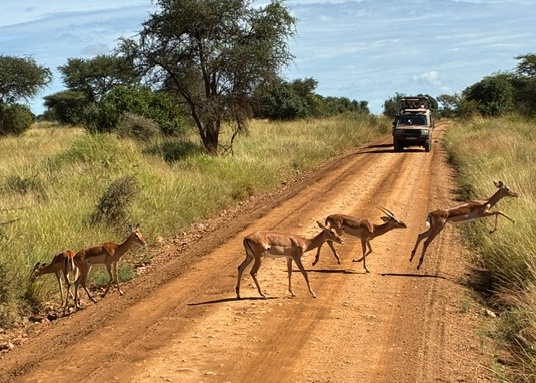
Northern Tanzania Safari Review: Serengeti, Ngorongoro & More
In late April 2026, a Northern Tanzania safari fulfilled a dream that had begun forty years earlier.
Forty years ago, a friend told me about a place called Ngorongoro.
She described an enormous volcanic crater where towering walls enclosed one of the richest concentrations of wildlife on Earth. It sounded almost mythical – a place where lions, elephants, rhinos and flamingos all lived together within the steep walls of an ancient volcano.
Ever since then, I’d wanted to see it for myself.
In late April 2026, that long-held ambition finally became reality.
I was standing on the rim of the Ngorongoro Crater.
Except… I couldn’t see it.

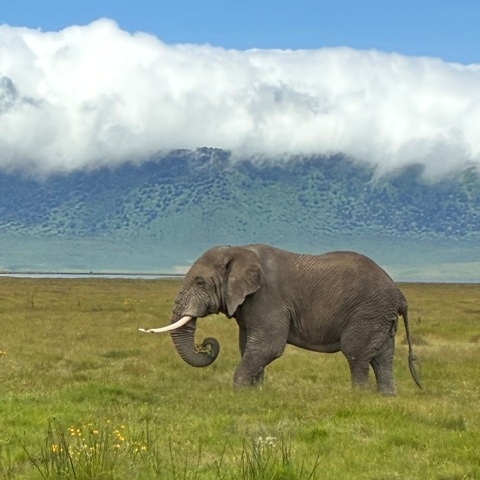
It was the end of Tanzania’s rainy season and thick cloud completely filled the crater. Every now and then the mist lifted just enough to offer a tantalising glimpse before closing in again.
As our safari vehicle slowly descended the steep crater road, the landscape gradually revealed itself. First came the lake, then sweeping grasslands carpeted with yellow and purple wildflowers. The further we descended, the more of this vast natural amphitheatre emerged until, suddenly, there it was in its entirety.
Animals seemed to be everywhere.
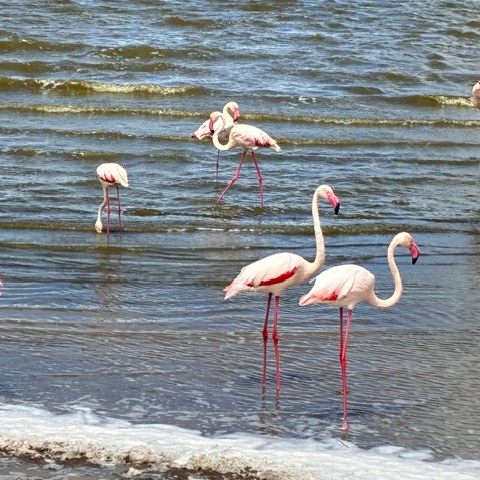
Zebra grazed beside wildebeest. Buffalo moved steadily across the plains. Hippos wallowed in pools. Lions rested in the grass. Flamingos coloured the lake pink. Almost every turn revealed another unforgettable sight. Nearly all of Africa’s iconic wildlife can be found here, including the Big Five. Only giraffes are absent, unable to negotiate the steep descent into the crater.
It was every bit as extraordinary as I’d imagined.
Yet what surprised me most wasn’t Ngorongoro itself.
It was the journey that led us there.
Five Parks, Five Different Experiences
I travelled through northern Tanzania’s famous safari circuit, visiting five national parks over seven days. Looking back, what made the journey so memorable wasn’t simply the abundance of wildlife, but the constant sense of discovery.
Every park felt completely different.


Within an hour of arriving, I found myself on horseback riding through herds of zebra and antelope. After a long journey I was travel-weary, but I returned for dinner feeling completely exhilarated.
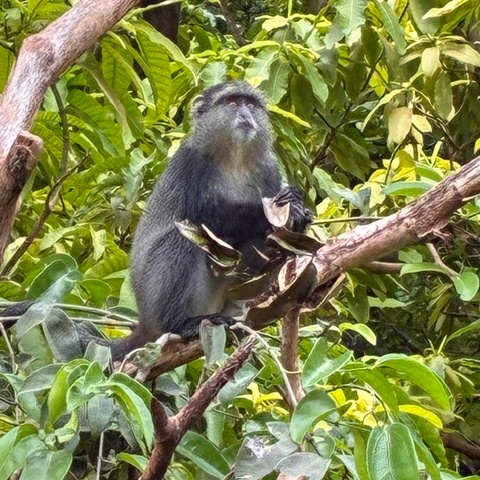
The next morning we set off on a walking safari, sharing the surreal experience of watching a giraffe stroll casually past us. Later that day, driving through the forests on the slopes of Mount Meru, we were lucky enough to spot the rare black-and-white colobus monkey leaping through the canopy.
By day two we were surrounded by ancient baobab trees and some of East Africa’s largest elephant herds. After that came the seemingly endless plains of the Serengeti before finally descending into the wildlife-rich Ngorongoro Crater.
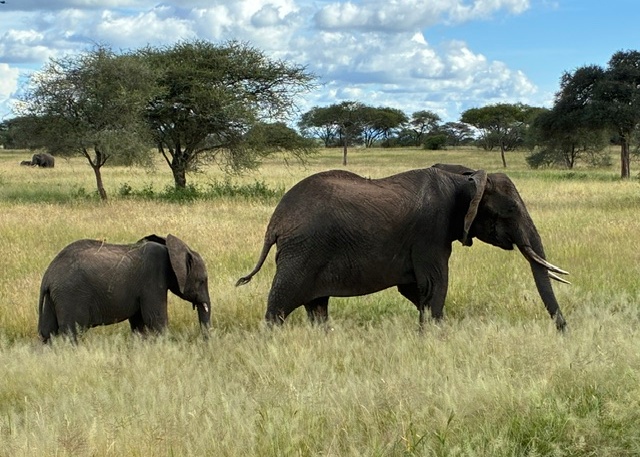


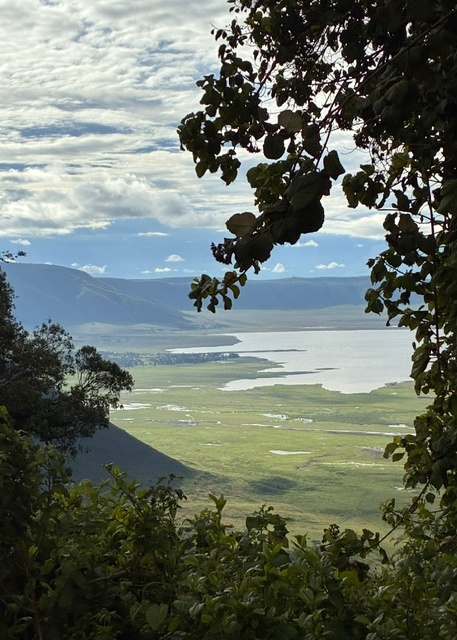
Tanzania isn’t one landscape. It’s many.
That changing scenery meant every morning felt like the beginning of a new adventure.
The Safari That Changed My Mind
This wasn’t my first African safari.
Many years ago I lived in Kenya as a volunteer teacher before later spending three years teaching in Botswana. During that time I visited many of East and Southern Africa’s national parks, always on self-drive safaris.
I’d always assumed that was the best way to experience wildlife. There is something deeply satisfying about finding animals for yourself.
This trip changed my mind.
It was my first professionally guided safari, and I hadn’t appreciated just how much difference an exceptional guide could make.
Our guide, Nicholas, didn’t simply point out animals. He helped us understand what we were seeing.
Instead of announcing another lion, he’d ask, ‘Have you noticed…?’ or ‘Why do you think they’re doing that?’
Gradually we stopped looking simply for animals and started noticing behaviour.
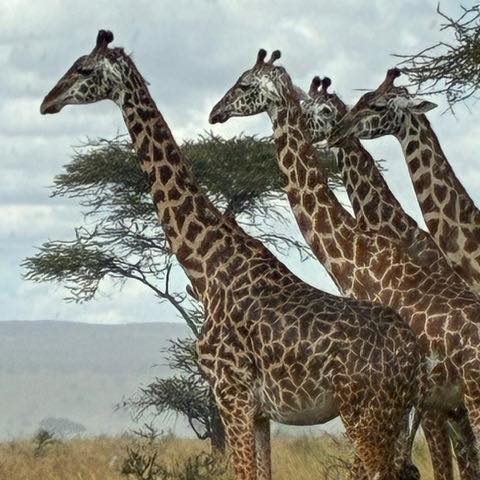
Why lions spend much of the day asleep. How birds often reveal the presence of predators. Why giraffes feed briefly from one acacia before moving on to another.
Even his humour made the experience richer. Warthogs, he explained, are called Pumba in Swahili because the word means ‘stupid’. Waterbucks became affectionately known as ‘toilet seats’ thanks to the distinctive white ring around their hindquarters. Wildebeest were the ‘spare parts animal’, looking as though nature had assembled them from whatever happened to be left over.
Those stories stayed with me almost as much as the wildlife itself.
The Moments I’ll Never Forget


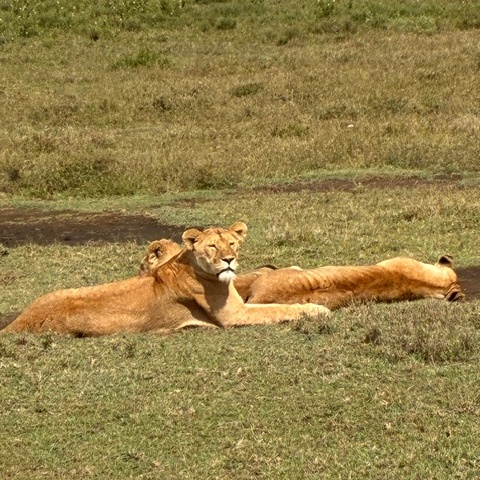




People often ask me what animals we saw.
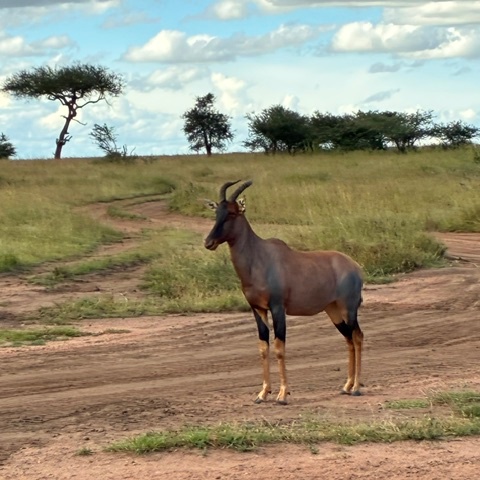
The honest answer is… almost everything.
But what I remember isn’t the length of the species list. It’s the moments.
Standing inside a giant baobab tree that had lived for centuries.
Watching a family of elephants pass so close to our vehicle that everyone instinctively held their breath.
Seeing four lions stop to drink from rainwater collected in tyre tracks.
Watching two magnificent cheetahs feeding just metres away.
Arriving in the Serengeti as thousands upon thousands of wildebeest and zebra gathered before beginning their annual migration north.
No television documentary prepares you for the sheer scale of it.
Sleeping Among the Wildlife
By the time we reached the Serengeti, I thought the journey couldn’t become any more memorable.
I was wrong.
For two nights we stayed in a luxury tented camp in the heart of the national park.
Don’t imagine sleeping bags and basic camping.
These were beautifully furnished safari tents with proper beds and ensuite bathrooms, but there were no fences. The wildlife had priority.
After dinner we weren’t allowed to walk back to our tents alone. A Maasai guide escorted us through the darkness carrying nothing more than a torch and a stick.
On our first evening his torch picked out a hippo quietly grazing beside the path.
We simply waited until it wandered away before continuing to our tents.
It was a powerful reminder that we weren’t visiting the animals. We were guests in their home.
More Than Wildlife
One of the biggest surprises was discovering that northern Tanzania offers far more than game drives.
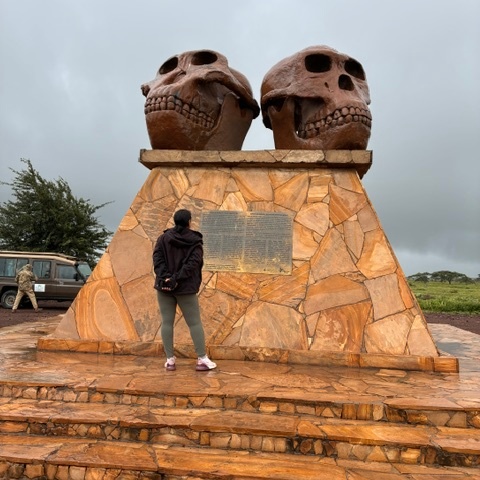
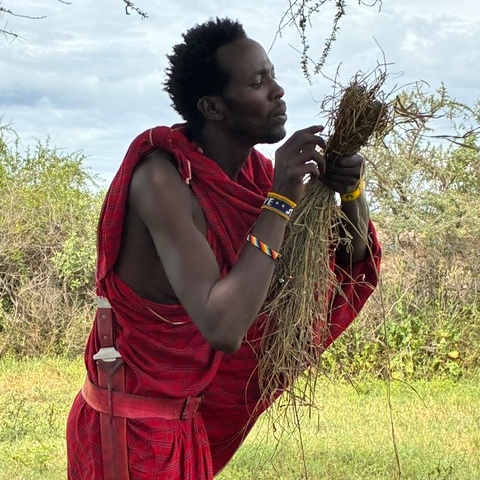
Along the way we crossed the Great Rift Valley and stopped at the Olduvai Gorge Visitor Centre, overlooking one of the world’s most important archaeological landscapes and a place closely associated with our understanding of early human evolution. Later in the journey, we spent time with the Maasai people, learning about a culture that has remained closely connected to this remarkable landscape for generations.
As someone who studied Social Anthropology at university, these experiences were every bit as memorable as the wildlife. One offered a glimpse into the origins of humankind; the other into a living culture whose traditions continue to shape northern Tanzania today.
The landscapes, the people and the history gave the journey a richness I hadn’t expected.
Where I Stayed
One of the biggest surprises of this safari was the quality and variety of the accommodation. Each stop had its own personality, from tropical gardens to luxury tents deep inside the Serengeti. Wherever we arrived, we were greeted with smiling faces, refreshing hot towels and a heartfelt Karibu – Swahili for “welcome”. It quickly became one of the rituals of the trip.
Arusha Planet Lodge
A peaceful start to the safari.
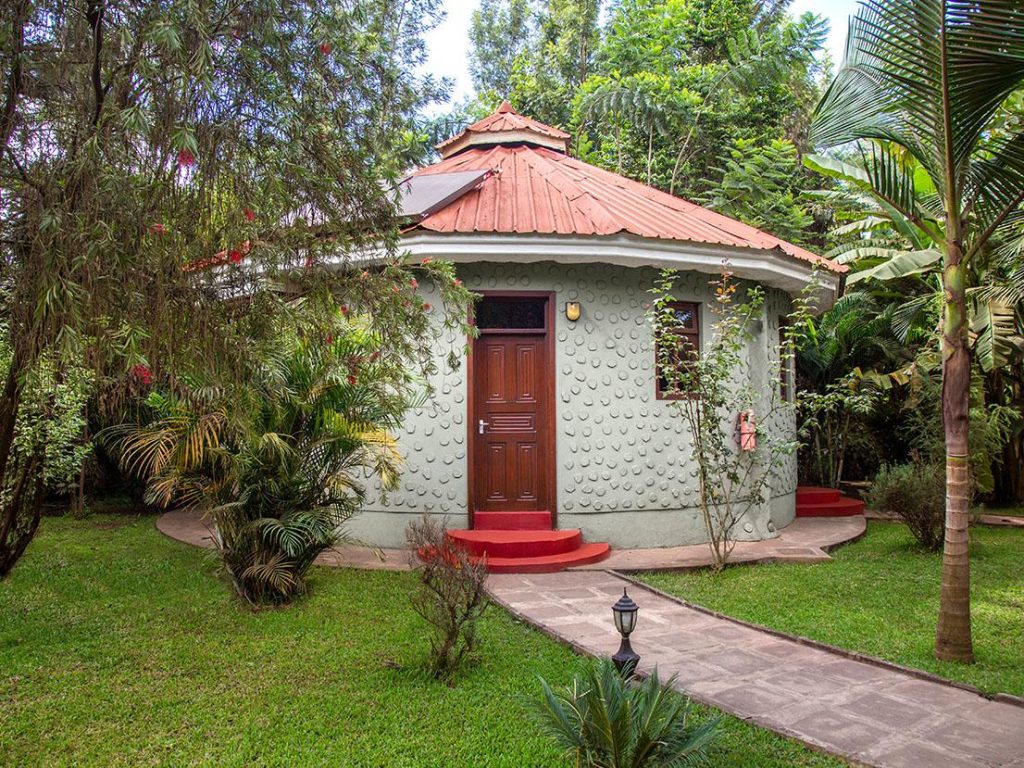
Set amongst beautifully landscaped tropical gardens, Arusha Planet Lodge was the perfect place to recover after a long international flight. Comfortable chalet-style rooms, a lovely swimming pool and a relaxing spa created a gentle introduction to Tanzania before the adventure began.
Ideal for: Recovering from your flight before heading into the national parks.
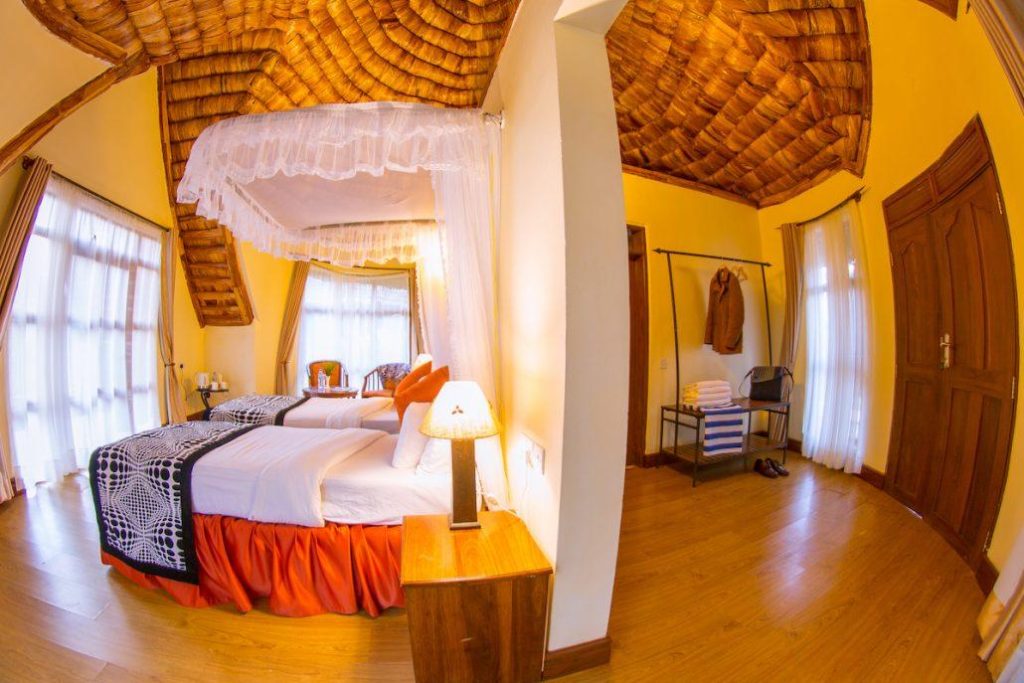
Farm of Dreams Lodge
A warm welcome I’ll never forget.
After the excitement of Tarangire National Park, this peaceful lodge offered beautiful gardens, a swimming pool and comfortable rooms overlooking the countryside. What made it unforgettable, however, was the welcome. As we arrived, the staff greeted us with singing, huge smiles and infectious enthusiasm that immediately made us feel at home.
Ideal for: Relaxing stop between Tarangire and long drive to the Serengeti.
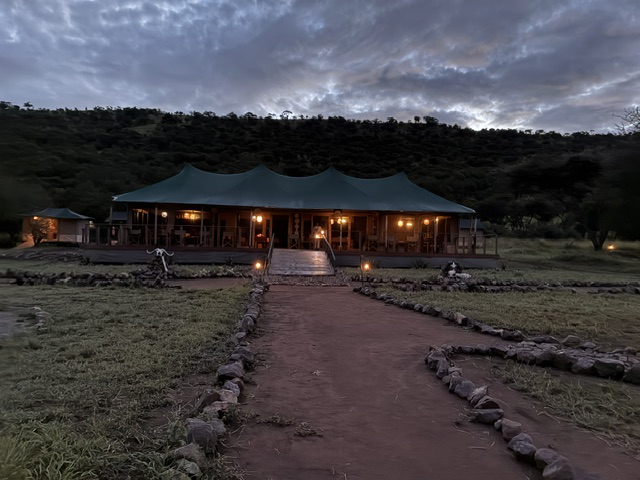
Safari Haven Tented Camp
Sleeping in the heart of the Serengeti.
This was safari exactly as I’d imagined it. A spacious luxury tent with all the comforts of a lodge, yet surrounded by the sights and sounds of the African bush. As darkness fell, the daytime chatter disappeared and the Serengeti came alive in a completely different way.
Ideal for: Experiencing the magic of the Serengeti after dark, when the sounds of the African bush come alive.
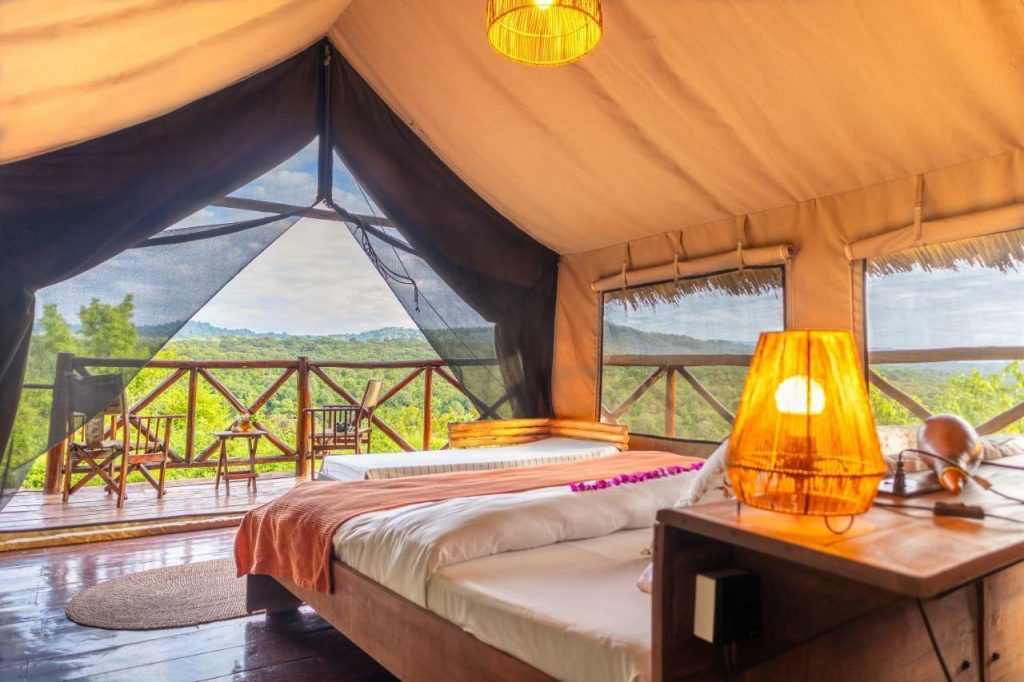
Rhotia Valley Tented Lodge
A lodge with a heart.
Perched on a hillside overlooking a beautiful valley, this was a wonderfully peaceful place to spend our final night. The views were spectacular, but what impressed me most was learning that the lodge supports the Rhotia Valley Children’s Home, helping vulnerable local children and families. Staying here felt like tourism giving something back to the local community.
Ideal for: A peaceful final night close to Ngorongoro Crater, while supporting a lodge with a meaningful community project.
Would I Go Back?
Without hesitation.
As our plane climbed away from Tanzania, the clouds that had hidden Mount Kilimanjaro for an entire week finally parted.
There it was.
Africa’s highest mountain, its snow-covered summit rising above the plains, revealing itself just as we were leaving.
It felt like a fitting farewell.
Northern Tanzania exceeded every expectation I had. I came hoping to see incredible wildlife, but I left with much more than that—memories of remarkable landscapes, fascinating history, warm hospitality and experiences that will stay with me for years. If you’re considering your first safari, I can’t think of a better place to begin.
If reading about my journey has inspired you to experience northern Tanzania for yourself, I’d love to help you plan your own adventure. Having travelled this route personally, I can help you choose the right parks, the best time to visit and the style of safari that best matches what you’re looking for.
Get in touch for a friendly, no-obligation chat, and together we’ll create an African adventure you’ll remember for the rest of your life.


My Experience
I travelled in late April and early May 2026, at the end of the rainy season.
The landscapes were beautifully green, visitor numbers were relatively low and we arrived just as the Great Migration was beginning to move north. Although we experienced some cloud over Ngorongoro Crater, the lush scenery more than compensated, making it an excellent time to visit.
Thinking About Your Own African Adventure?
If reading about my journey has inspired you to visit Tanzania, I’d love to help you plan your own.
Every experience is different. Some travellers dream of witnessing the Great Migration, others want to climb Mount Kilimanjaro, explore Zanzibar or simply enjoy the thrill of seeing Africa’s wildlife for the first time. The best itinerary depends on when you travel, your budget, your interests and the kind of experience you’re looking for.
Having experienced northern Tanzania for myself, I can help you compare different safari options, explain the advantages of different parks and operators, and design a holiday that’s right for you.
I travelled with Safari Nuggets, a locally owned destination management company based in Arusha, who specialise in tailor-made safaris in Tanzania, Kenya, Rwanda, and Uganda, Kilimanjaro expeditions and beach holidays in Zanzibar.
If Tanzania is on your travel wish list, get in touch for a friendly, no-obligation chat.
Northern Tanzania’s Parks Compared
|
Park |
Best Known For |
Best For |
Why You Shouldn’t Miss It |
|---|---|---|---|
|
Walking safaris, Mount Meru and black-and-white colobus monkeys |
First-time safari visitors, active travellers and birdwatchers |
The Northern Circuit’s most varied park. The only park on this itinerary where you can enjoy a walking safari, canoe on the Momella Lakes or experience a horse-riding safari. Add spectacular views of Mount Meru and, on a clear day, Mount Kilimanjaro, and it makes the perfect introduction to Tanzania. |
|
|
Elephant herds and ancient baobab trees |
Elephant lovers, photographers and quieter safaris |
Home to one of Tanzania’s largest elephant populations, Tarangire combines enormous baobab trees, fewer vehicles and some of the country’s most rewarding elephant encounters. |
|
|
The Great Migration |
First-time visitors and wildlife enthusiasts |
One of the world’s greatest wildlife destinations. The endless plains, abundant predators and the Great Migration create the classic African safari experience. |
|
|
Big Five game viewing |
Travellers wanting exceptional wildlife in a single day |
The world’s largest intact volcanic caldera supports an extraordinary concentration of wildlife, giving you one of the best chances of seeing the Big Five during a single game drive. |
|
|
Groundwater forest, tree-climbing lions and birdlife |
Birdwatchers and those wanting varied scenery |
A striking contrast to the open plains, combining lush groundwater forest, the dramatic Great Rift Valley escarpment and excellent birdlife, with the chance of spotting the park’s famous tree-climbing lions. |
Also Consider
|
Destination |
Why It’s Worth Adding |
|---|---|
|
The perfect way to unwind after the excitement of a safari. Zanzibar combines white-sand beaches, warm Indian Ocean waters and a rich cultural heritage. Spend time exploring the winding streets of UNESCO-listed Stone Town, discover the island’s spice plantations, or simply relax on some of East Africa’s most beautiful beaches. Ideal for couples, honeymooners and anyone wanting to balance adventure with relaxation. |
|
|
Lake Natron |
One of Tanzania’s most remote and dramatic landscapes. Best known for its breeding colonies of lesser flamingos, colourful alkaline waters and spectacular views of the active volcano Ol Doinyo Lengai (“Mountain of God” in the Maasai language). Ideal for travellers looking to get off the beaten track and experience a very different side of northern Tanzania. |
Best Time to Visit Northern Tanzania
|
Season |
What to Expect |
Best For |
|---|---|---|
|
January – March |
Warm, green landscapes with fewer visitors. Calving season in the southern Serengeti attracts predators. |
Wildlife photography, baby animals, quieter safaris. |
|
April – May |
End of the rainy season. Lush scenery, fewer tourists and excellent value. Some roads may be muddy, but wildlife viewing remains rewarding. |
Green landscapes, lower prices and fewer vehicles. |
|
June – October |
Dry season with excellent wildlife viewing as animals gather around rivers and waterholes. Peak visitor season. |
First-time safaris, Big Five, classic safari conditions. |
|
July – September |
Great Migration river crossings (mainly Northern Serengeti). |
Witnessing the dramatic river crossings. |
|
November – December |
Short rains bring fresh green landscapes and fewer visitors. |
Good value and excellent birdwatching. |
About the Author
Jessica Fisher is the founder of Marmaladies Travel and an independent travel adviser based in Cornwall. She specialises in helping adults aged 40+ plan thoughtful, immersive holidays and has personally travelled throughout East and Southern Africa. Her destination guides combine first-hand experience with practical travel advice to help you plan holidays that are right for you.
Leave a Reply